What to Pack as a Dad: Hospital Bag and Birth-Day Jobs
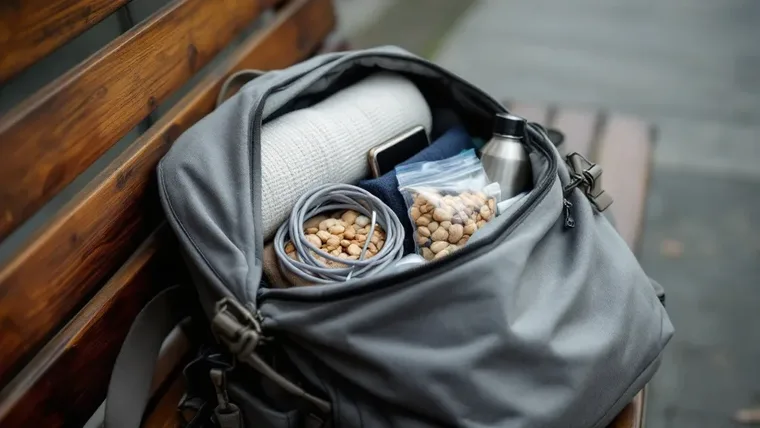
You are about to spend many hours in a hospital with a partner who needs you to be useful, and your own bag is the part nobody plans. Here is what to pack as a dad or any birth partner: a change of clothes, toiletries, a phone with a long charger, snacks, a water bottle, cash for parking and a list of people to text.
What to pack as a dad: your own bag
Pack a bag that fits under a chair. You are not moving in.
The NHS list of suggestions for your birth partner names a change of clothes, toothbrush and toothpaste, deodorant, and a phone and charger. It also names a camera, snacks and drinks, any medicines, spare glasses or contacts and spare change for the car park and vending machine. It adds swimwear if you will be in a birth pool.
The table groups those with a few more things worth having.
| Group | What goes in |
|---|---|
| Clothes | Change of clothes, extra shirt, a warm layer, comfortable socks |
| Toiletries | Toothbrush, toothpaste, travel-size toiletries, deodorant |
| Phone | Phone, long charging cable, plug or power bank |
| Money and papers | Wallet with ID, cash or card for parking |
| Food and drink | Water bottle, snacks if the hospital allows them |
| Contacts | A list of people to text, phone numbers for helpers, the hospital address and a check-in note |
| Comfort | A small pillow or blanket, a notebook and a pen |
If you want your list on paper, the Checklist Pack has a support person's bag page with 18 lines. Each file is a PDF in US Letter and A4. Print it on a home printer at 100 percent (not fit to page) and run a test page first; double-sided is optional. You need no app, no Canva account and no paid software.
Clothes and snacks for a stay of two to three days
No source gives a count. The NHS list for birth partners names one change of clothes and snacks and drinks. Stays differ, so treat this as our own rule of thumb. Ask your hospital how long the stay is likely to be and whether you can stay overnight.
| Item | For two to three days |
|---|---|
| Shirts | One you wear, one change, and one spare |
| Underwear and socks | One pair per day, plus a spare |
| Warm layer | One, since hospital rooms can be cool |
| Snacks | Things that keep without a fridge, such as nuts, fruit bars or crackers, if your hospital allows food in the room |
| Drinks | A refillable water bottle |
Eat real meals when she sleeps, and ask the staff where visitors can buy food.
Your jobs on the day
The NHS says a birth partner's job is to support, comfort and encourage the person giving birth during labor and birth. The most useful thing you can do is stay with her.
Here are the jobs, in the order they come.
| Stage | Your job |
|---|---|
| Before | Know her top three birth plan wishes, check the car seat, pack your bag |
| In labor | Stay with her, keep drinks and snacks ready, help her move or focus |
| With staff | Speak for her wishes when she cannot |
| After | Eat, rest, carry the bags and the car seat |
Before the day
Read the birth plan. Birth partners should make sure they know what it says so they can support their partner during labor, says the NHS. You will not remember every line, so know the top three things she wants.
Check the car seat. The American Academy of Pediatrics says all infants should ride rear-facing from the first ride home. It also suggests working with a certified child passenger safety technician before the birth. If you are the one who installs it, read the manual.
Also learn the route to the hospital and where to park. Do one drive in daylight.
In labor
Stay close. Help her move about, change position or lean on you if that is more comfortable, as the NHS suggests. Have drinks and snacks ready, and make sure she keeps drinking. During contractions you can help her focus on something, such as a breathing technique, a spot on the wall or the baby's ultrasound picture.
You may also need to help explain to the midwife or doctor what your partner needs or wants, says the NHS. That is where knowing the birth plan helps. Say it politely and calmly.
Look after yourself too. Keep plenty of snacks and drinks for your own energy, and take a short break when you can.
After the birth
Eat something and rest. Then be the person who knows where the keys, car seat and bags are.
Your leave is another job to settle before the day. In the United States, both mothers and fathers have the same right to take leave under the Family and Medical Leave Act (FMLA) for the birth of a child, up to 12 workweeks if you are eligible. The Department of Labor says an expected event needs at least 30 days' notice to your employer. Ask your employer's HR office now.
When to pack your bag, and what to keep in the car
Have your bag ready by about week 37, unless your care provider gives you another date. The NHS suggests packing at least 3 weeks before the due date, in case the baby comes early, and for a 40-week pregnancy that is week 37. Pack yours the same weekend as hers.
No source lists what to keep in the car, so these are practical tips:
| Keep in the car | Why |
|---|---|
| The installed car seat | The baby's first ride home |
| Phone charger | A spare cable that stays there |
| Route and parking or drop-off details | Written down, in case the phone is low |
| Change for parking | The NHS list for birth partners names spare change for the car park |
| The three bags, once packed | Yours, hers and the baby's, so nobody carries them down later |
What to leave behind
You do not need much. A large bag is hard to keep next to a hospital bed, and the room fills up fast.
Leave valuables and extra gadgets at home. Bring a camera only if you will use it, since your phone takes photos. Keep the bag to what fits under a chair.
If your partner is having a planned cesarean, there is more for you to carry and drive. The list for her is in the c-section hospital bag checklist, and the baby's bag is in what to pack in a newborn hospital bag.
When the Checklist Pack is the wrong choice
The Checklist Pack's support person page is a list of things to pack. It is written for any support person, not for dads in particular, and it does not teach you how to support someone in labor. For that, ask at a childbirth class or from your care team. The NHS page cited above is a free place to start.
Packing the bag is the easy part of being there.
When you want the list in your hand, the Checklist Pack prints on Letter or A4 paper.
Frequently asked questions
What to put in a dad bag?
A change of clothes, toothbrush and toothpaste, phone and charger, snacks and drinks, any medicines, spare glasses or contacts, and spare change for parking and vending machines. The NHS list for birth partners adds a camera and swimwear if there will be a birth pool.
Do dads need to pack a hospital bag?
No rule says you must, but you may be at the hospital for a long time and the NHS suggests a bag of your own with clothes, toiletries, a charger, snacks and drinks. Packing it ahead means she never has to wait while you look for a charger.
What should a husband do when his wife is in labor?
The NHS says a birth partner's job is to support, comfort and encourage. Stay with her, help her move or change position, offer drinks and snacks, and help explain her wishes to the midwife or doctor.
Conclusion
Pack a small bag of your own, with clothes, a charger, snacks, parking money and a list of people to text. Know the birth plan well enough to speak up for it. Then do the simple jobs well: stay with her, get her water and keep the car seat and the keys in your head. A rested and fed partner is far more use than a perfect bag.
Sources
- NHS, Hospital bag checklist: what to pack for you and your baby (2023) (last checked October 7, 2026)
- NHS, Tips for your birth partner (last checked October 7, 2026)
- American Academy of Pediatrics, Car Seats: Information for Families (2026) (last checked October 7, 2026)
- U.S. Department of Labor, Fact Sheet 28Q: Taking Leave from Work for Birth, Placement, and Bonding with a Child under the FMLA (last checked October 7, 2026)